Skip to content
Person
Type

Zabel Yesayan joined literary imagination with an uncompromising concern for human dignity. Her fiction, memoirs and testimony explore women's lives, social injustice and the duty to listen to others.

Life and context

Life and context

Born in Constantinople, she continued her intellectual formation in Paris. After the 1909 massacres in Cilicia, she met survivors and documented their experiences. She moved to Soviet Armenia in 1933 and was arrested in 1937; the exact date and circumstances of her death remain uncertain, commonly given as 1943.

Major works

Major works

In the Ruins confronts the aftermath of the Cilician massacres through attentive testimony. The Gardens of Silihdar returns to her childhood, recreating the people and neighbourhood of her early life.

Literary legacy

Literary legacy

Yesayan's legacy brings literature into dialogue with ethical witness. Her work preserves individual voices and insists on women's intellectual independence.

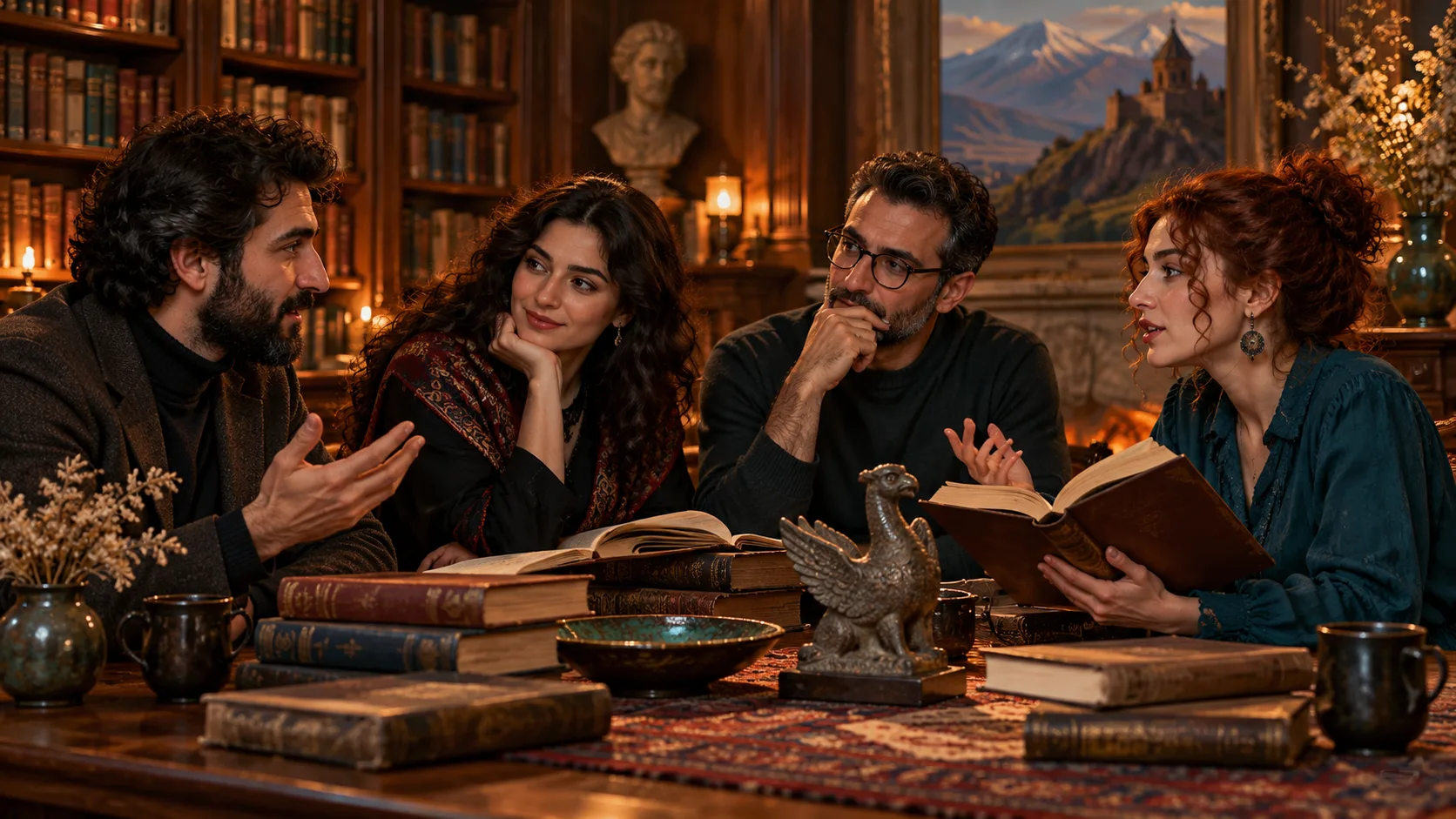
The cover and section images are AI-generated symbolic illustrations. The gallery portrait comes from a historical source.

Reading the works closely

Yesayan's writing makes listening an ethical responsibility. A person who has survived violence is more than a symbol of catastrophe. In the Ruins draws on her visit to Cilicia after the 1909 Adana massacres, combining observation, reported testimony and reflection. Distinguish these forms of evidence when using the book.

The Gardens of Silihdar offers a different entry point through childhood, family and neighbourhood. An adult narrator selects and interprets remembered experience; memoir is not an unfiltered recording. Her work also gives women's education and choices a serious literary voice. Do not reduce her achievement to persecution alone or turn uncertain biographical details into established facts.

Read, reflect and investigate

Begin with a childhood passage from The Gardens of Silihdar and identify sensory details. Older readers can distinguish observation, reported testimony and interpretation in a selected passage of In the Ruins. When writing family memories, identify what you remember yourself and what someone else told you.

This article was created using artificial intelligence.

For suggestions regarding collaboration, content, or the further development of this page, please contact the Armenian Treasures Foundation.

Photography Archive

Gallery

Explore more entries

Back to Writers